Hume AI
SoftwareUSA
Teaching AI to prioritise emotional wellbeing and predict user intent.
The age of demographic targeting is ending. The age of the screen is fading. The age of AI as a co-creator — not a tool — is starting. Six forces, three time horizons, one rewriting of how brands build for the next two years.
XTRENDI · 9 min read

The most useful thing about a tech forecast isn't the prediction. It's the hierarchy.
Six forces are reshaping consumer tech for 2026. Not all of them matter equally. Not all of them arrive at the same time. Pretending they're a flat list — six equal items — is the most common failure mode of tech forecasting, and the reason most product roadmaps end up over-indexed on the wrong things.
What follows is a hierarchy. Two forces are imminent. Two are accelerating. Two are emerging. The brands that read this right will build the right product at the right time.
Most tech forecasts present trends as a list. Lists imply equal weight. Equal weight is wrong. Some forces are commercial now. Some are commercial in 18 months. Some are commercial in 3+ years.
Below: the picture in one chart. Click any force to jump to its full analysis.
Two forces demand action now. Two more in the next 12–24 months. Two are 24–36 months out. Pick your bets accordingly.
Consumer tech in 2026 isn't loud. It's ambient — present, calm, deliberately receding. The palette reflects that: deep navy as anchor, cool grays in between, one accent kept restrained for moments that demand attention.
Eight tones. One accent. The S/S 26 tech palette is engineered for screens that fade and interfaces that breathe.

Ambient interfaces are the new default. Screens are becoming the exception.
FORCE 01 · IMMINENT
The biggest commercial story in tech for 2026 isn't a new product category. It's a shift in role. AI stops being something you use and starts being something you collaborate with — for product design, healthcare, customer service, creativity itself.
The companies leading this shift aren't building bigger language models. They're building empathetic ones. Hume AI is teaching machines to read emotion before responding. MindBank is creating personal digital twins that survive their owners. IBM's NorthPole chip emulates the brain's structure and uses 96% less energy than the GPUs everyone currently relies on.
“The brands that win 2026 won't be the ones that adopted AI. They'll be the ones that figured out what AI is FOR.”
Three design directions are concentrating: affective computing (machines that respond to feeling), generative AI moving from text and image into materials and physical design, and neuromorphic engineering — chips designed like brains, optimised for the kind of pattern-matching humans do effortlessly.
Hume AI
SoftwareUSA
Teaching AI to prioritise emotional wellbeing and predict user intent.

MindBank
Consumer ProductUSA
Personal AI digital twin that stores consciousness for future generations.

IBM NorthPole
HardwareUSA
Brain-emulating chip using 96% less energy than traditional GPUs.
FORCE 02 · IMMINENT
For thirty years, consumer tech has been a story about screens — bigger, sharper, closer. That story is ending. The next interface era is sensory — touch, taste, scent, intuition. Hands-free. Screen-free. Ambient.
Augmental's MouthPad lets users control devices through tongue and breath gestures. Fluid Reality's haptic glove brings physical pressure to virtual environments — surgeons performing telesurgery, technicians defusing remote bombs. Meta + EssilorLuxottica's Ray-Ban smart glasses make the smartphone invisible — you live-stream by speaking, not by holding.
“For three decades we built tech you look AT. The next decade is tech you look THROUGH.”
Living Switches by Approach Studio — physical, tactile interfaces that challenge the assumption that all interaction must happen on a screen.
Watch for what designers call glimmers — micro-moments of sensory joy designed into otherwise functional products. Watch for tactile hedonism — plush, sensual materials that engage skin before screen. Watch for the rise of intuition as the sixth sense in interface design.

Augmental
HardwareUSA
MouthPad — hands-free device control through tongue and breath gestures.

Fluid Reality
HardwareUSA
Haptic glove bringing physical pressure to virtual environments.

Approach Studio
HardwareUK
Living Switches — physical, tactile alternatives to digital interfaces.
FORCE 03 · ACCELERATING
The most important shift in 2026 consumer tech isn't a technology. It's a category model. Brands have spent decades building products for demographic segments — Gen Z, Boomer, Millennial. By 2026, that model is broken.
Why? Because a 28-year-old in Lisbon has more in common with a 64-year-old in Lisbon than with a 28-year-old in Tokyo. Lifestyle, values, life-stage — these now predict consumption better than the year someone was born. Ekei Labs is building longevity products that don't ask your age. Forward's CarePods deliver medical care to anyone, in any office, mall, or gym. Ani Biome uses biometric scans, not birthday math.
“Designed for the need, not the number.”
The implications run deep. Marketing personas built around age are becoming useless. Product features gated by demographic assumptions are alienating actual customers. The brands that figure this out first — and rebuild their segmentation around lifestyle, life-stage, and values — will compound fast.

Ekei Labs
Consumer ProductJapan
At-home biological assessments and personalised longevity strategies.

Forward
PlatformUSA
CarePods — automated medical check-ups in offices, malls, and gyms.

Ani Biome
Consumer ProductCroatia
Non-invasive health analysis through tongue/skin scans and wearable data.
FORCE 04 · ACCELERATING
For ten years, sustainability has been the thing brands signal on packaging. By 2026, it has to be the thing they engineer into product. Why? Because consumers can now tell the difference, and because regulation is catching up to greenwashing faster than brands can market around it.
The interesting work is at the intersection of biology and manufacturing. Heirloom Carbon captures CO₂ from the atmosphere and injects it into concrete. Rice University turns plastic waste into hydrogen fuel and high-purity graphene with no emissions. NatureMetrics lets brands monitor their actual biodiversity impact in real-time, not on a glossy annual report.
“Sustainability moved from packaging claim to engineering decision. Brands that miss this transition won't survive it.”
What to watch: bio-manufacturing (growing materials instead of mining them), precision fermentation (lab-grown ingredients at scale), and direct air capture (carbon as a raw material, not a waste product). These aren't moonshots anymore — they're commercial timelines.

Heirloom Carbon
PlatformUSA
First commercial direct-air-capture factory; injects CO₂ into fresh concrete.
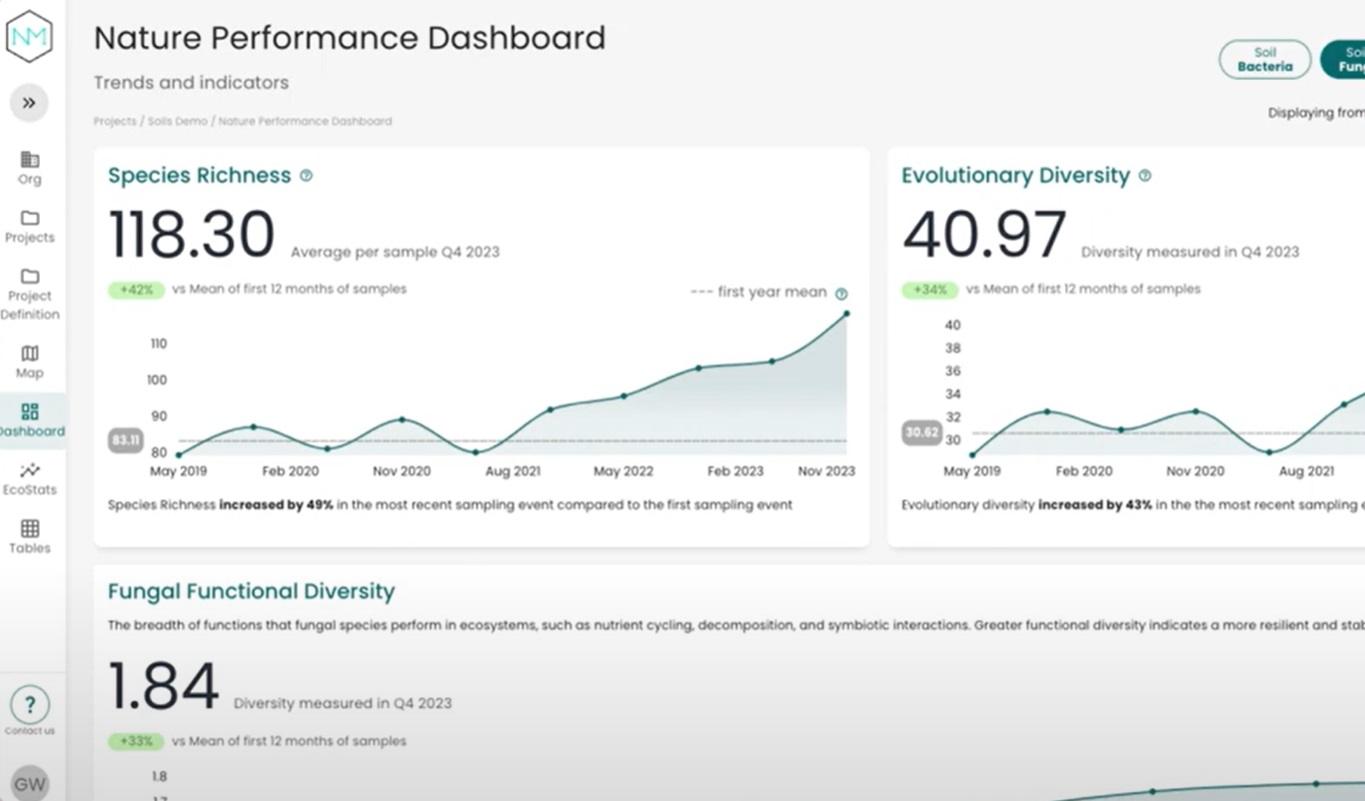
NatureMetrics
PlatformUK
eDNA platform converting biodiversity into actionable brand insights.
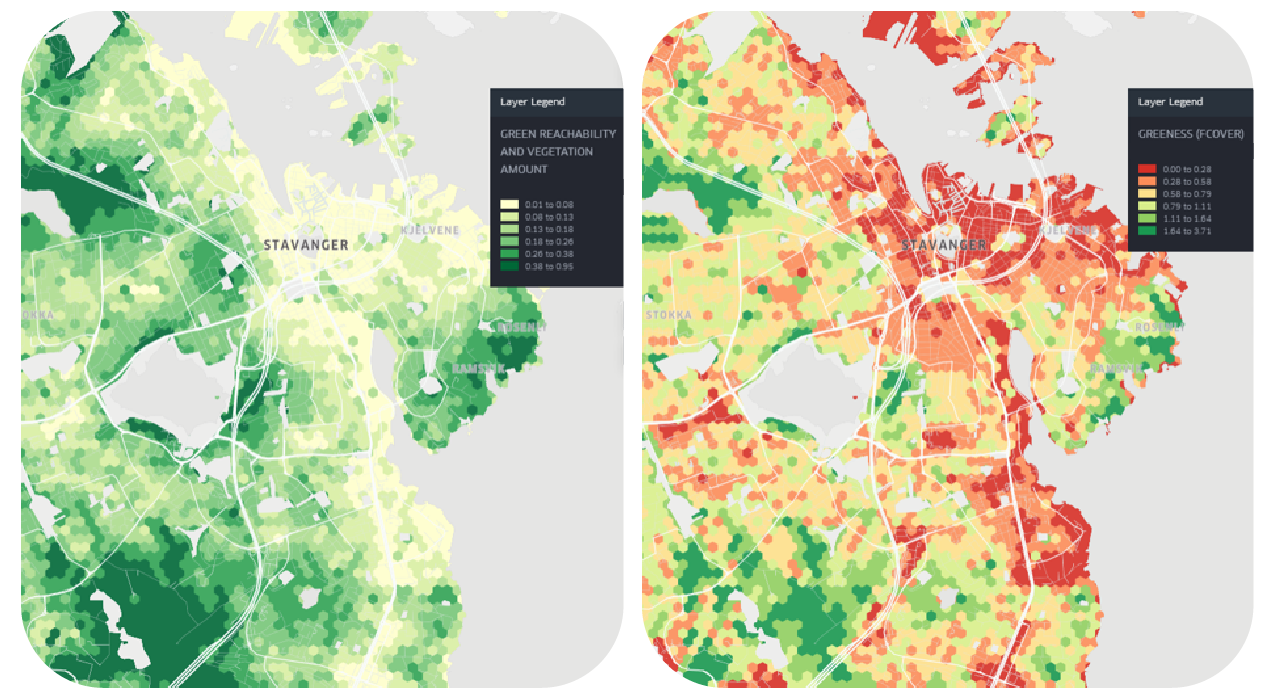
Optimal Cities
PlatformEU
Earth-observation satellite data applied to urban sustainability.
FORCE 05 · EMERGING
The era of buying a new phone every two years because the old one slowed down is ending. Regulation is forcing it. So is consumer fatigue. By 2026, the smart play in consumer tech isn't shorter product cycles — it's longer ones, with upgradability built into the architecture.
Solar Team Eindhoven's Stella Terra is the first off-road solar-powered car designed to be self-sufficient — no charging stations needed. The Soft Energy Box generates power from carefully selected human gestures. Global Battery Alliance's Battery Passport gives every battery a digital identity that travels with it through repair, reuse, and recycling.
“The next decade of tech profitability won't come from selling more. It'll come from selling once, well, and selling the upgrade.”
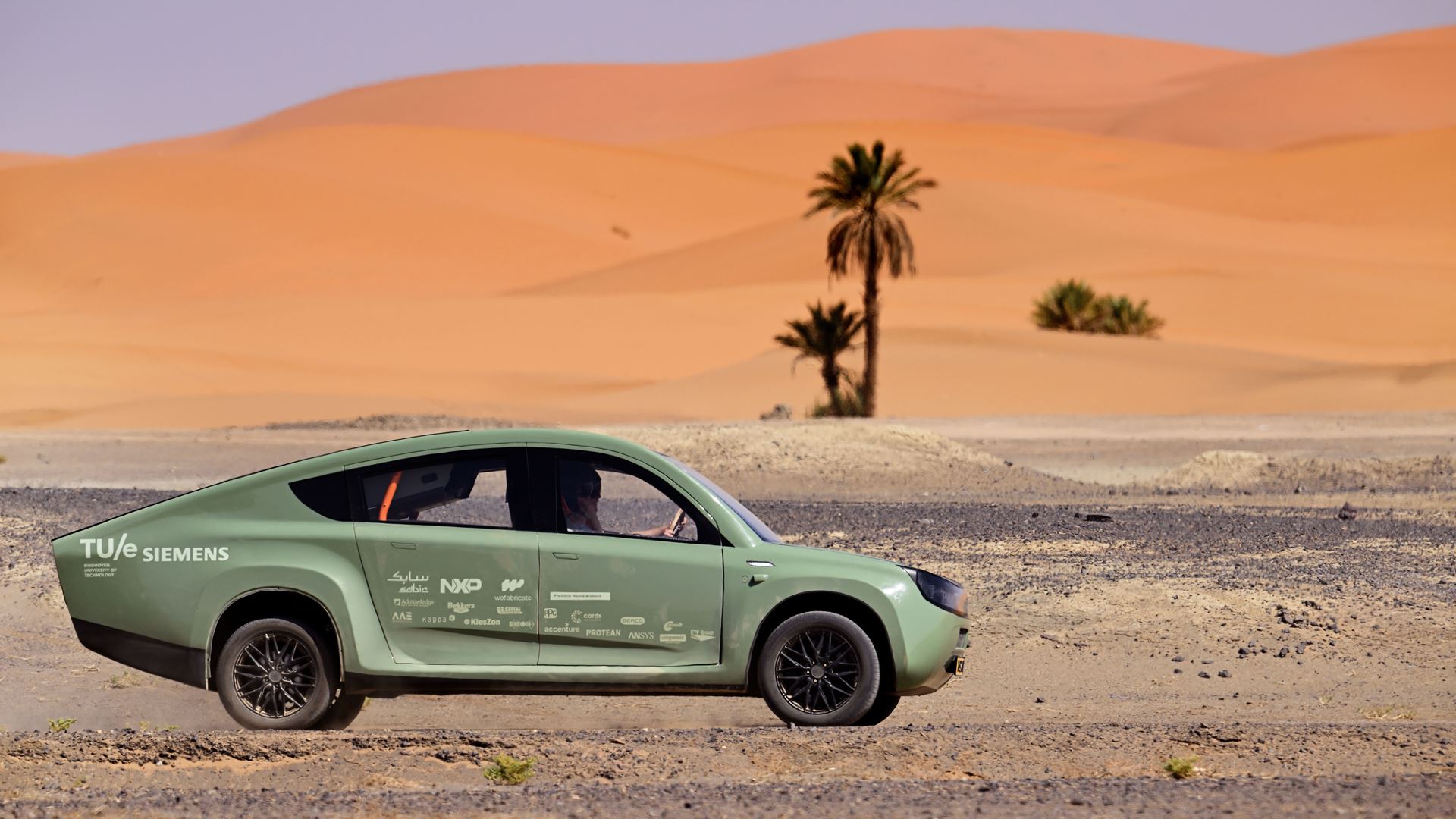
Solar Team Eindhoven
ResearchNetherlands
Stella Terra — first off-road solar-powered car, fully self-sufficient.

Global Battery Alliance
PlatformBelgium
Battery Passport — digital ID for transparency across the battery value chain.

Soft Energy Box
ResearchNetherlands
Educational kit demonstrating power generation from human gestures.
FORCE 06 · EMERGING
The world is more on-the-move than at any point in modern history — for climate, for work, for lifestyle. Brands designed for static, single-location consumers are finding their assumptions outdated. Brands building for fluid, mobile, multi-cultural consumers are finding new markets.
Tech is the medium that enables this fluidity. Backup Ukraine lets ordinary people 3D-scan and preserve cultural heritage on their phones. WeClock gives gig workers privacy-preserving tools to track their own labour conditions. Digital Democracy equips marginalised communities with the tech to defend their land and rights without depending on outside platforms.
“Migration creates fresh perspectives. Tech amplifies them. The brands that listen win the next decade.”
What to watch: hyperlocal communities organising through messaging apps, retail migration away from urban hubs into smaller cities, and the rise of yes-and thinking — the belief that there are multiple valid pathways to the same goal, not just one optimised one.

Backup Ukraine
PlatformDenmark / USA
User-friendly 3D scanning to preserve cultural heritage via mobile.
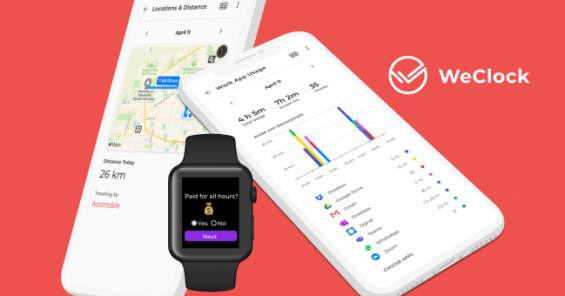
WeClock
SoftwareUK
Privacy-preserving app for workers to track their own labour conditions.

Digital Democracy
PlatformUSA
Decentralised tech for marginalised communities to defend their rights.
Four questions. One force match. A three-step playbook for your 2026 roadmap.
What kind of brand are you?
Forecasts are only useful if you know when to act on them. Here's the timeline.
Optimised Efficiency
Signal 2022 · Mainstream 2026 · Peak 2028
Commit. AI-native products are shipping in volume now.
Feel Appeal
Signal 2023 · Mainstream 2026-2027 · Peak 2029
Prototype. Hardware is real, software UX patterns still settling.
Design for Need
Signal 2024 · Mainstream 2026-2027 · Peak 2028-2029
Rebuild personas. Demographic models are obsolete.
Acceleration Point
Signal 2023 · Mainstream 2027 · Peak 2030
Engineer it in. Marketing-only sustainability is dying fast.
Scaled to Fit
Signal 2024 · Mainstream 2027-2028 · Peak 2030
Plan modularity. EU regulation forcing the timeline.
New Pathways
Signal 2024 · Mainstream 2028 · Peak 2030+
Listen. Hyperlocal communities are early-warning signals.

The Stella Terra by Solar Team Eindhoven — the first self-sufficient off-road solar car. Climate tech moving from prototype to commercial reality.
Six forces. Three time horizons. The brands that win 2026 won't be the ones that try to act on all six. They'll be the ones that pick the two that matter for their category — and commit.
If you're a consumer brand: Optimised Efficiency and Feel Appeal demand action now. The other four are 18–36 month bets.
If you're a B2B platform: the order flips. Acceleration Point and Scaled to Fit are commercially urgent. Feel Appeal can wait.
We help product teams turn trend reading into roadmap decisions.
Talk to Brave Particle →